
There’s a specific kind of clothing failure that only shows up when you’re actually sick, injured, or recovering from something — a shirt that’s fine any other day suddenly feels like sandpaper with a fever, a waistband that’s never bothered you before presses right where a healing incision or a sore stomach happens to sit, and getting dressed at all starts to feel like a task with a cost attached rather than something automatic.
Fever Changes What Fabric Actually Feels Like
Skin genuinely becomes more sensitive during a fever — nerve sensitivity increases as part of the body’s inflammatory response, which is part of why regular clothing can start to feel scratchy or irritating in a way it never does when healthy. Soft, breathable natural fibers matter more here than at almost any other time, since synthetic fabric that’s merely “fine” on a normal day can feel actively unpleasant against fever-sensitized skin. Temperature swings between chills and sweating are common through a fever too, which is exactly the same moisture-wicking-versus-absorbent fabric problem that applies to night sweats — a fabric that holds onto moisture rather than moving it away makes the chills-then-sweat cycle worse by keeping damp fabric against skin through both phases.
Getting Dressed Shouldn’t Cost Energy You Don’t Have
This sounds like a small thing until you’re actually depleted enough that reaching overhead or bending to step into pants takes real, noticeable effort. Front-opening or pull-on pieces that don’t require complex motion — no small buttons needing fine motor coordination, no narrow sleeves to maneuver through when every movement costs more than usual — genuinely matter when energy itself is the limited resource. It’s the same principle that applies to postpartum dressing after a C-section, just triggered by illness or another kind of physical depletion instead: when getting dressed already competes with recovery for a limited energy budget, easy wins.
Surgical and Medical Access Points Change the Calculation
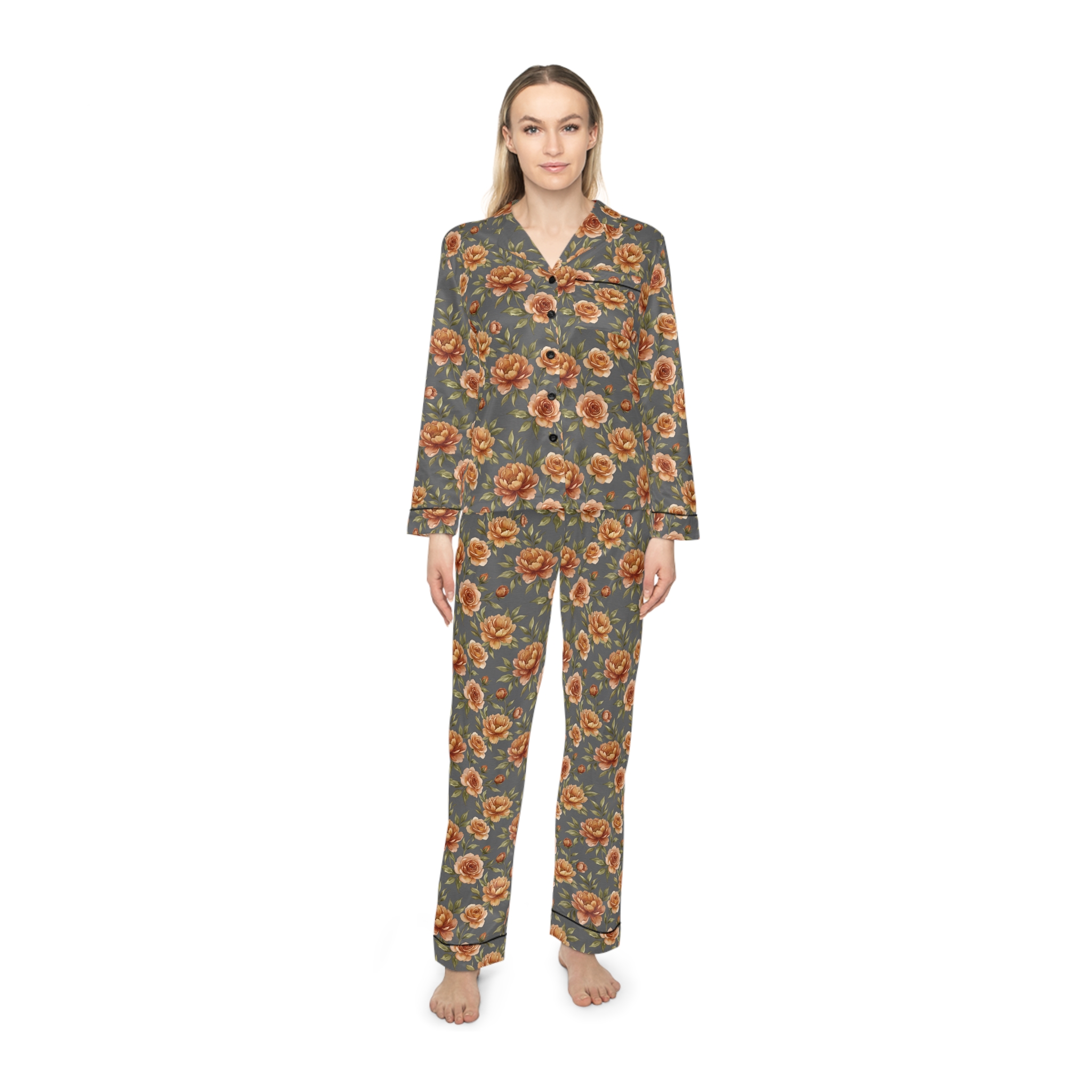
Recovering from any surgery, or managing a medical device or access point — an IV that was recently removed, a monitoring patch, a port, a recent injection site — adds a real, specific constraint most regular clothing wasn’t designed around: needing to actually get to a spot on the body without removing an entire garment. Button-front or wrap-style tops solve this the same way they solve nursing access, just for a different reason. Loose sleeves that can be pushed up easily, rather than fitted sleeves that need to be fully removed, matter for arm-based access points specifically. None of this is complicated to plan for, but it rarely gets thought through until the actual day it’s needed, at which point it’s one more frustration layered onto an already difficult stretch.
Temperature Regulation During Illness Isn’t the Same as Normal
A body actively fighting an infection runs its internal thermostat differently than usual, and that can shift over the course of a single day — running warm in the afternoon, chilled by evening, with no reliable pattern to plan a single outfit around. Layering solves this better than picking one “right” weight of clothing, the same logic that applies to seasonal sleepwear switching: a lightweight base piece that can have a robe or an extra layer added or removed as the day’s temperature actually shifts, rather than committing to one weight and being wrong for half the day.
The Difference Between “Sick Day” and “Actual Recovery”
A 24-hour flu and a six-week recovery from surgery aren’t the same situation, even though a lot of the same clothing logic applies to both. A short illness — a 24-hour bug, a bad cold, a rough day or two — usually just needs one or two comfortable, easy-access pieces already on hand to get through it without needing any real advance planning. A longer recovery — surgery, a significant illness, a chronic flare-up — benefits from actually building out a small, dedicated rotation the same way postpartum recovery does, since a single outfit worn repeatedly for weeks wears out faster and starts to feel demoralizing in a way it wouldn’t over just a few days. Treating a multi-week recovery with the same “just get through today” mindset as a 24-hour bug tends to under-prepare for how long the actual need lasts.
Chronic Illness Needs a Different Kind of Planning
Everything above assumes a defined start and end to the recovery window, which describes acute illness and most surgical recovery but not a chronic condition with unpredictable flare-ups — something that can go from manageable to genuinely difficult with little warning, on a timeline that isn’t set by a discharge date or a calendar. For chronic conditions, the practical answer isn’t a temporary rotation set aside for a known window; it’s building the easy-access, sensory-gentle, temperature-adaptable qualities described throughout this page into a permanent part of the regular wardrobe, since there’s no reliable “back to normal” date to plan around, and treating every flare as a temporary emergency to be endured rather than a recurring reality to actually plan for tends to make each one feel harder than it needs to. That reframing matters: it’s not about getting through a rough patch, it’s about clothing that works on both the good days and the bad ones without needing to be swapped out specifically when things get hard.
Hospital Stays Add Their Own Specific Constraints
An actual hospital stay, beyond the immediate delivery-and-postpartum context, comes with its own version of these same needs plus a few more: clothing that works over or around monitoring equipment and IV lines, that a nurse can easily adjust without a whole undressing process, and that doesn’t require standing fully upright to put on or remove, since that’s often genuinely difficult or restricted in the first days after a procedure. A robe or wrap layer earns its keep here specifically for the walk to the bathroom or a hallway walk encouraged by hospital staff — coverage and warmth without needing to actually get dressed in the normal sense, over whatever hospital-provided gown or clothing is already on.
Packing for a planned hospital stay benefits from the same logic as the postpartum hospital bag described elsewhere on this site: front-opening pieces, loose waistbands, dark colors that hide the realities of a hospital stay, and at least one robe. Bringing your own genuinely comfortable clothing rather than relying entirely on hospital-issued gowns for the whole stay is a small thing that measurably affects how a difficult stretch actually feels, not just how it looks.
What Actually Helps Someone Else Recovering
If you’re the one supporting someone through this rather than going through it yourself, comfortable, easy-access clothing is a genuinely useful and underrated thing to help with or gift — more practical, in a lot of cases, than flowers or a card, and something that actually makes daily life easier through the recovery window rather than just marking the occasion. Knowing what kind of access or mobility limitation the person is dealing with (arm mobility after shoulder surgery, an abdominal incision, general fatigue and weakness) helps pick something that solves their actual specific problem rather than a generic “comfortable” gift that doesn’t account for what they’re actually dealing with day to day.
Sizing up rather than guessing exact is the safer move here too — recovery often comes with real, temporary swelling (post-surgical, medication-related, or just from reduced activity), and a piece that’s slightly too big is far more usable than one that’s fitted and suddenly uncomfortable a few days after a well-meaning gift arrives. A gift receipt or the option to exchange size is worth including for exactly this reason, since guessing right on size during an unpredictable recovery window is genuinely hard even for someone who knows the person well.
Getting Better Doesn’t Mean Immediately Back to Normal Clothes
There’s a tendency to switch straight back to regular clothing the moment a doctor clears “normal activity,” even though sensitivity, energy, and comfort needs often lag a few steps behind that clearance. A waistband cleared as medically fine to wear can still feel uncomfortable for another couple of weeks; energy levels cleared for normal activity don’t necessarily mean getting dressed feels effortless again immediately. Keeping the easy-access, gentle-fabric rotation in the mix a little past the official “recovered” point, rather than switching back all at once, tends to match how recovery actually feels day to day better than a hard cutoff does.
Setting up a small recovery rotation while still healthy, rather than scrambling to figure it out the day a diagnosis or a surgery date arrives, is worth the modest upfront effort. Trying to think through what would actually help while already sick, in pain, or running on no sleep is a much harder problem to solve well than doing the same thinking in advance with a clear head — one more reason to treat this as a standing part of a wardrobe rather than something assembled from scratch under pressure each time it’s needed.
Wellrested’s soft, loose, easy-access loungewear works for exactly this stretch — gentle against sensitive skin, simple to get in and out of when energy or mobility is limited, and layerable enough to handle a day that swings temperature unpredictably.