
Period cramps are a legitimate reason to change what you wear for a few days a month, not just a mood — real physical discomfort at the waist and lower abdomen that most regular clothing actively makes worse rather than better, and most people never stop to actually ask what would help instead of just pushing through in whatever they’d normally reach for on any other day of the month.
Why Waistbands Are the First Thing to Change
Cramping involves the uterus contracting to help shed the uterine lining, and bloating is a real, common companion symptom driven by hormonal shifts in the days leading up to and during a period, affecting a large share of people who menstruate — which means the exact area a normal waistband sits on is both more sensitive and often physically larger than usual for those few days. A fitted waistband that’s perfectly comfortable the rest of the month can dig in and actively worsen cramping discomfort during it, simply from constant pressure on an area that’s already inflamed and tender. Low-rise or high-rise both work fine; the deciding factor is soft and non-fitted through the exact band itself, not the rise height.
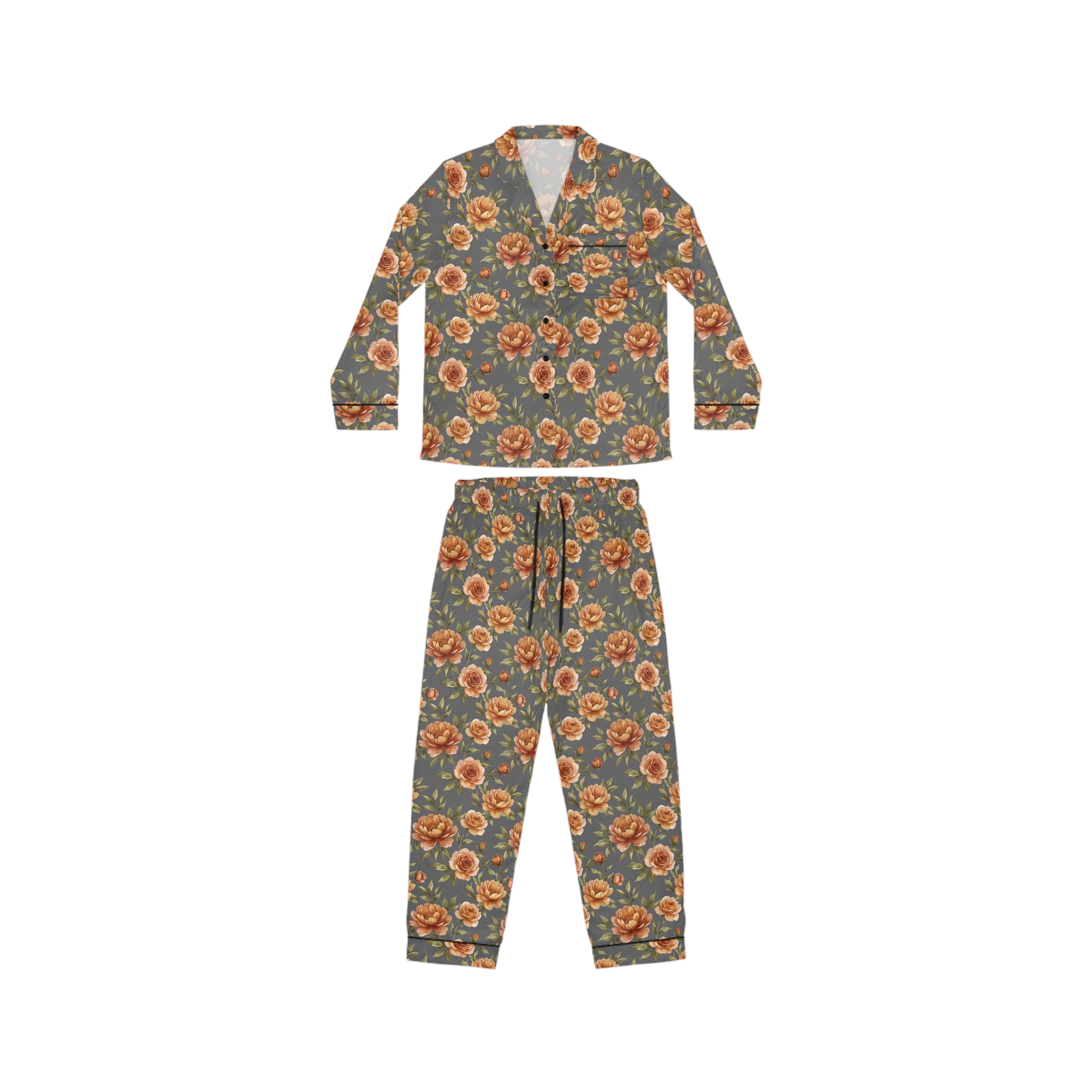
A drawstring or fully elastic waist that sits loosely, rather than snug, solves this directly — it can be adjusted looser on the worst day and tightened back up as symptoms ease, which a fixed-size fitted waistband simply can’t do.
Heat Is Doing Real Work, Not Just Providing Comfort
A heating pad or hot water bottle against the lower abdomen is one of the more genuinely effective non-medication approaches to cramp relief, because heat relaxes the contracting uterine muscle directly rather than just distracting from the sensation. Clothing that can actually accommodate a heating pad against skin for an hour or two — loose enough to layer one underneath without it sliding out of place, breathable enough not to overheat uncomfortably on top of an external heat source — does real, practical work here that a fitted outfit can’t. This is one of the more overlooked reasons loose loungewear specifically, rather than “comfortable” fitted athletic wear, is the better choice on the worst days: athletic wear is built to hold things in place against the body, which is exactly what makes it harder to tuck a heating pad underneath without it shifting.
Bloating Changes Sizing More Than People Expect
Real, visible bloating during a period is common enough that “my regular pants don’t fit right this week” is a near-universal experience, not an unusual one worth feeling self-conscious about. Rather than sizing a whole wardrobe up to accommodate a few days a month, keeping one or two genuinely stretchy, forgiving pieces specifically for this window solves it without needing every regular pair of pants to compromise on fit the rest of the month. Fabric with real horizontal stretch — not just a soft feel — is what actually accommodates bloating comfortably; a soft fabric with no give still binds the same way a stiff fabric does once bloating sets in.
Temperature Swings Are a Real, Separate Symptom
Hormonal shifts across the cycle cause real temperature regulation changes, not just around ovulation — some people run warmer in the days right before their period starts and then feel colder once bleeding begins, a genuine physiological pattern rather than an inconsistency. Layering matters more here than most of the month: a lightweight base piece with something easy to add or remove handles a day where body temperature might swing noticeably, rather than committing to one fixed weight of clothing that’s wrong by midday.
Dark Colors and Loose Cuts, for the Practical Reason
Beyond comfort, there’s a straightforward practical reason darker colors and looser cuts through the hip make sense specifically during a period, the same logic that applies postpartum: less visible concern about leaks or staining, and enough room through the hip and thigh to accommodate a pad without an obvious visible line the way fitted fabric creates. It’s not the main reason to choose loose loungewear for period days, but it’s a real, practical bonus on top of the comfort case already made above.
Sleeping Through It Matters as Much as Getting Through the Day
Cramps don’t stop for sleep, and a fitted waistband or restrictive sleepwear can genuinely disrupt sleep quality on the nights symptoms are worst — the same mechanism as daytime waistband pressure, just compounded by lying down, which changes how pressure sits across the lower abdomen. Loose, soft sleepwear with no fitted waist matters more on these specific nights than it does the rest of the month, and it’s worth having something set aside for exactly this rather than assuming regular sleepwear will feel the same as always. A heating pad safe to leave on low overnight, paired with sleepwear loose enough to actually keep it in place without shifting during normal sleep movement, is a combination worth setting up deliberately rather than improvising at 11pm already uncomfortable.
When Cramps Are Severe Enough to Need More Than Clothing
Clothing and heat genuinely help with typical period cramps, but it’s worth being direct about the limits: pain severe enough to interfere with normal daily activities, pain that doesn’t respond at all to heat or over-the-counter pain relief, or pain that’s noticeably worse than it used to be for the same person are all reasons to talk to a doctor rather than just building a better comfort routine around it. Conditions like endometriosis produce period pain that goes well beyond what clothing and heat can meaningfully address, and it’s a real, commonly under-diagnosed condition specifically because “bad cramps” gets normalized as just part of having a period rather than investigated as a distinct medical issue. Comfort strategies are the right first move for typical cramping; they’re not a substitute for medical attention when the pain pattern doesn’t fit that description.
Building an Actual Rotation for These Days
The most practical approach isn’t a single “period outfit” but a small, dedicated rotation — one or two genuinely soft, stretchy, loose-waisted pieces set aside specifically for these days, distinct from regular loungewear that might still have some structure to it. Having them ready and easy to grab removes one small decision from days that already come with enough physical discomfort to manage, rather than digging through a drawer for something that’ll actually feel okay while already cramping.
Working From Home vs. Leaving the House
The comfort calculus splits in a genuinely useful way depending on whether the day actually requires leaving the house. A full work-from-home or at-home day allows for the loosest, most heating-pad-friendly option without any real tradeoff — nobody’s evaluating the outfit but you. A day that requires actually going out — work, errands, picking up kids, whatever it happens to be — calls for a middle-ground piece: still loose through the waist and hip where it actually matters, but with enough structure and a more finished silhouette to look intentional rather than purely like at-home comfort wear worn out of the house by accident. Having one option built for each version of the day, rather than a single all-purpose piece trying to do both jobs, tends to work better than compromising on one item that’s slightly too casual for out-of-house days and slightly too structured for the worst at-home days.
Tracking the Pattern Helps More Than Reacting Each Month
Cycle-tracking apps are common enough now that most people already have a rough sense of when cramping days are coming, which makes this a plannable comfort need rather than a surprise to react to each time. Knowing a heavy-cramping day is likely two days out means the loose, heating-pad-friendly rotation can already be clean, dry, and accessible rather than being dug for at the last minute while already uncomfortable — a small piece of planning that removes real friction from an already difficult day. It’s worth treating period-comfort clothing the same way as any other predictable, recurring need: prepared for in advance, not solved from scratch every single cycle.
The same logic extends to keeping a heating pad, pain reliever, and a spare set of this loose, dark-colored clothing somewhere genuinely accessible — a desk drawer, a bag, a car — rather than only at home, since cramps and bloating don’t check the calendar against your location before showing up. A little redundancy built into the routine, rather than assuming every difficult day will start and end at home, is the difference between managing this well and being caught without options on the day it matters most, especially given how genuinely unpredictable exact timing can be even with a tracking app doing its best to estimate it a few days out.
None of this has to be elaborate or expensive to set up. A single spare set kept somewhere accessible, restocked once it’s used rather than left empty, covers most of the actual risk of being caught unprepared — the goal is removing one predictable point of friction from a day that’s already harder than most, not building an entire separate wardrobe around four or five days a month.
Wellrested’s soft, stretch-waist loungewear pants and tops are built loose enough to layer a heating pad underneath and forgiving enough to handle real bloating without digging in anywhere it shouldn’t.